- Details
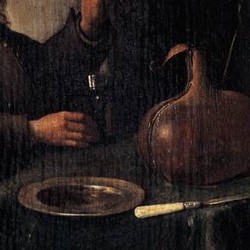
We all have in mind, thanks to cinema –which has presented it in a more or less mythologised way– the image of the writer who creates with the help of alcohol: sitting at the typewriter with a glass of whisky beside him. To complete the scene, cigarettes and an ashtray. What I don’t remember now is the image of the writer creating the next day, as soon as he wakes up, with a hangover that barely lets him open his eyes.
- Details

A couple of weeks ago we listened to a song by Gabriel Fauré, Avant que tu ne t’en ailles, in which the poem by Paul Verlaine was structured as if it were two interwoven poems. That made me think of another song, Sanglots, this one by Francis Poulenc with a poem by Guillaume Apollinaire.
- Details

I'm drawn to songs about the sea. Mainly because the sea is an essential part of my landscape. While many people find their greatest pleasure in the mountains (a modern version of waldeinsamkeit) you're far more likely to find me contemplating the sea. Fortunately, close to home. And when I travel, always seeking out other seas wherever I can.
- Details

Greek mythology, as we’ve mentioned more than once, is full of horrifying stories. The best-known ones belong to the Olympian period of the gods led by Zeus, but there was an earlier age, that of the Titans, and a war between the two factions.
- Details

A few days ago I was talking with some friends about how ill-timed some encores can be at a lieder recital. And while it is true that some encores can ruin the magic of a concert, it is also true that others become the cherry on top: pieces that round off the programme and that you remember for a long time, or that even create a new need in you.

Series