- Details
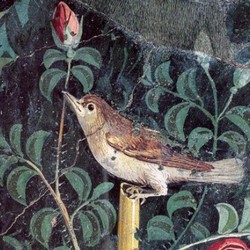
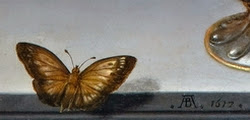
Alban Berg did not begin to study music formally until he was eighteen years old, when Arnold Schönberg saw some of his Lieder and accepted him as a pupil. Although such an important figure saw something interesting in them, Berg always considered that the around eighty Lieder he had composed until then did not deserve to be published; after his death, Helene [...]
- Details

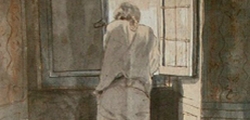
When I review the complete programme of the Schubertíada, I pay attention to different things, step by step. I first counted the Lied recitals. This year, there will twelve and a half (I will explain later this “half”), which will be concentrated in the first week of the festival, while in the second, there will be mostly chamber music. Next, I look for Schubert appearances [...]
- Details
Last week we had an Italienisches Liederbuch in Barcelona, and this must be celebrated. Above all, we should celebrate the fact that we can hear Hugo Wolfs collection relatively often and with naturalness. How will it be celebrated? Listening to a song, of course.
- Details
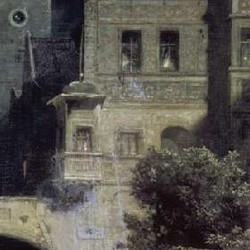
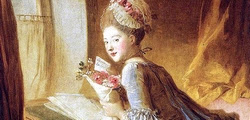
Johannes Brahms was a great admirer of art, especially painting and drawing. This will give me the chance to write (at least) three articles about three different artists who inspired him to write a song. This article, the first one, talks about Brahms and Franz Kugler, who never met.
- Details
I could have borrowed the title of this article from one of Charles Dickens's works, Great Expectations, because 1816 for Franz Schubert was a year of hopes and expectations. However, his projects did not come out as he had hoped, and the subsequent disappointments ended up causing a change in his life.
Series